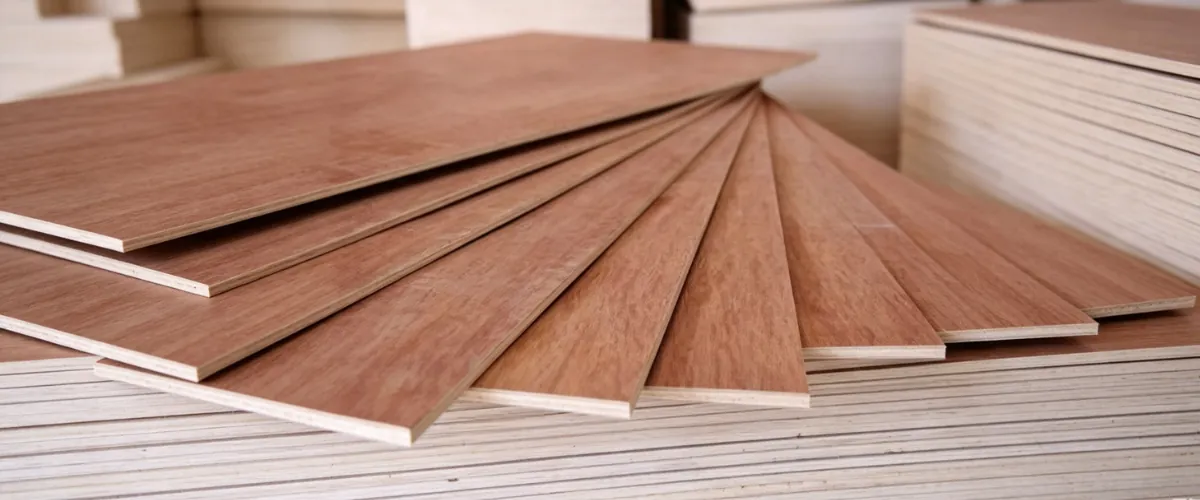
When sourcing hardwood plywood for furniture, interior projects, or decorative applications, many buyers want to understand what is Bintangor plywood and why it is widely used in the global plywood market. Bintangor plywood is a hardwood plywood product made with Bintangor veneer as the face and back layers, combining natural wood appearance, stable performance, and cost efficiency for a wide range of applications.
With its distinctive reddish-brown surface, smooth texture, and good machinability, Bintangor plywood is commonly selected by furniture manufacturers, cabinet makers, interior contractors, and plywood importers. It is widely used for furniture panels, decorative surfaces, packaging, and general interior construction where both appearance and reliable performance are important.
Before placing a bulk order, many buyers still have questions:
What exactly is Bintangor plywood?
Is Bintangor plywood suitable for furniture?
Is Bintangor plywood waterproof?
How does it compare with Okoume plywood or Birch plywood?
What quality factors should buyers check before importing?
This guide explains the characteristics, applications, advantages, and purchasing considerations of Bintangor plywood to help international buyers choose the right plywood solution.
What Is Bintangor Plywood?
Bintangor plywood is a hardwood plywood manufactured using Bintangor veneer as the face and back layers. The core is typically made from poplar, hardwood, eucalyptus, or a combination of different wood species depending on the required strength, weight, and price.
The smooth grain, consistent color, and good finishing performance make Bintangor plywood a popular material for decorative and industrial applications. It is widely exported to Europe, the Middle East, Southeast Asia, Africa, and South America.
Unlike decorative veneers that only provide appearance, Bintangor plywood combines an attractive surface with structural stability, making it suitable for both visible furniture components and functional construction uses.
What Is Bintangor Wood?
Bintangor refers to a group of tropical hardwood species mainly found in Southeast Asia, including Malaysia, Indonesia, and Papua New Guinea. The timber is recognized for its straight grain, moderate density, and attractive reddish-brown color.
Because of its uniform texture and excellent peeling characteristics, Bintangor logs are commonly processed into veneers for plywood production.
Compared with many tropical hardwoods, Bintangor offers an excellent balance between appearance, workability, and cost, making it one of the most popular face veneer materials in commercial plywood manufacturing.
How Is Bintangor Plywood Manufactured?
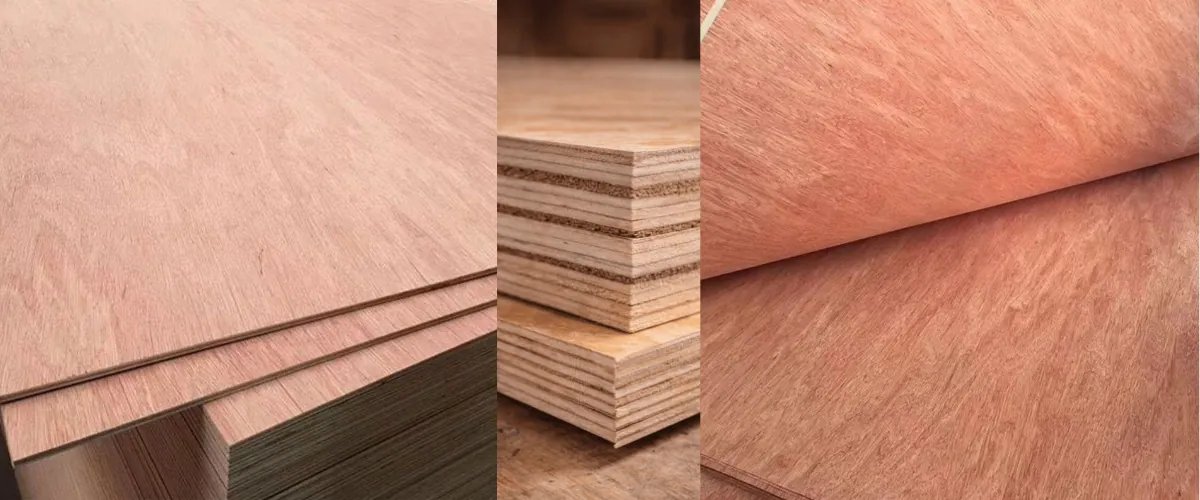
High-quality Bintangor plywood requires strict quality control throughout the manufacturing process.
1. Log Selection
Only carefully selected Bintangor logs with straight grain and minimal defects are used to produce face veneers.
2. Veneer Peeling
The logs are rotary peeled into thin veneer sheets while maintaining consistent thickness.
3. Veneer Drying
Fresh veneers are dried to the required moisture content to improve bonding performance and dimensional stability.
4. Core Assembly
Core veneers are arranged according to the desired plywood construction. Manufacturers may use poplar core, hardwood core, eucalyptus core, or combi core depending on customer requirements.
5. Glue Application
The veneers are bonded using different adhesive systems:
- MR Glue
- Melamine Glue
- WBP Phenolic Glue
The glue type should be selected according to the intended application.
6. Hot Pressing
The assembled panels are pressed under high temperature and pressure to create a strong and durable bond.
7. Sanding and Calibration
Each panel is precisely sanded to achieve uniform thickness and a smooth surface suitable for painting, laminating, or veneering.
8. Final Quality Inspection
Before shipment, professional manufacturers inspect:
- Thickness tolerance
- Surface quality
- Core construction
- Bonding strength
- Moisture content
- Panel dimensions
Bintangor Plywood Specifications
| Item | Specification |
|---|---|
| Face & Back | Bintangor Veneer |
| Core | Poplar / Hardwood / Eucalyptus / Combi |
| Thickness | 3.6 mm – 24 mm |
| Standard Size | 1220 × 2440 mm |
| Glue | Melamine / WBP |
| Moisture Content | 8–12% |
Specifications may vary depending on project requirements and export markets.
Key Features of Bintangor Plywood
Attractive Appearance
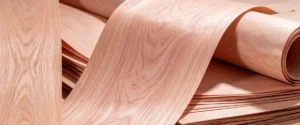
Bintangor veneer features a warm reddish-brown color with a relatively uniform grain, making it suitable for decorative furniture and interior panels.
Smooth Surface
The plywood can be sanded to produce a smooth finish that accepts paint, veneer, laminate, and melamine paper very well.
Good Machining Performance
Bintangor plywood can be easily cut, drilled, routed, and machined using standard woodworking equipment, making it suitable for CNC processing and furniture manufacturing.
Stable Construction
High-quality core construction minimizes deformation and provides reliable dimensional stability during processing and installation.
Cost-Effective
Compared with premium plywood such as Birch plywood, Bintangor plywood offers an attractive appearance at a more economical price.
Advantages of Bintangor Plywood
| Advantage | Benefit |
|---|---|
| Attractive veneer | Suitable for visible furniture surfaces |
| Easy machining | Faster furniture production |
| Smooth surface | Excellent painting and laminating performance |
| Good strength | Reliable for interior applications |
| Competitive price | Lower production costs |
| Wide availability | Stable global supply |
Limitations of Bintangor Plywood
Every plywood product has limitations, and understanding them helps buyers choose the right material.
- Standard Bintangor plywood is intended primarily for indoor applications.
- Continuous exposure to rain or high humidity requires waterproof glue and proper edge sealing.
- It is not a replacement for marine plywood in long-term water immersion environments.
- Surface hardness is generally lower than premium Birch plywood.
Selecting the correct glue type and core construction is often more important than simply choosing the face veneer.
Common Applications of Bintangor Plywood
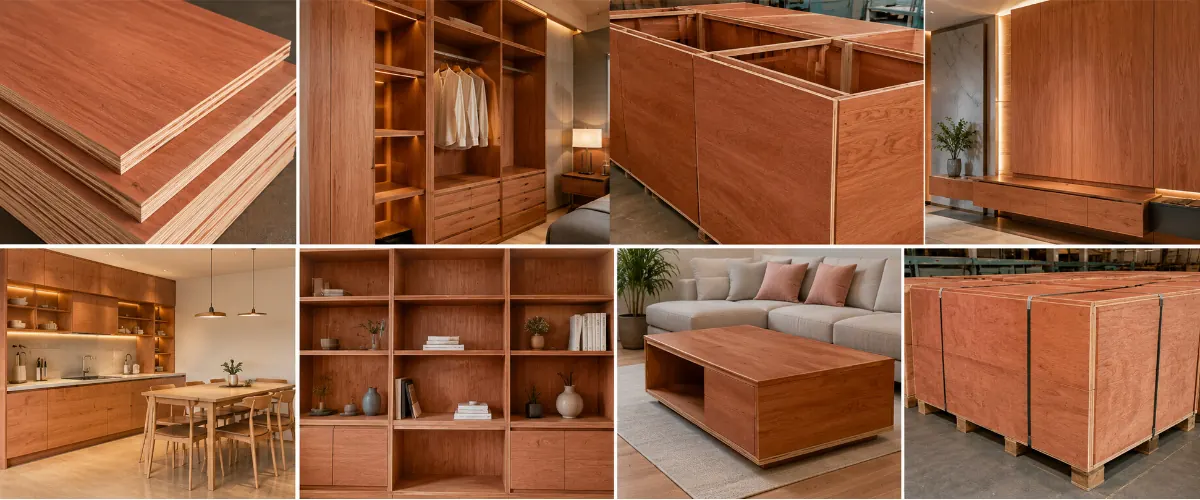
Furniture Manufacturing
Bintangor plywood is widely used for:
- Wardrobes
- Cabinets
- Shelves
- Tables
- Office furniture
- Bedroom furniture
Its smooth surface reduces finishing time and provides an attractive final appearance.
Interior Decoration
The decorative veneer makes it suitable for:
- Wall panels
- Ceiling panels
- Partition systems
- Decorative boards
Kitchen Cabinets
The material offers excellent dimensional stability for cabinet carcasses and interior structures.
Packaging
Commercial-grade Bintangor plywood is frequently used for export packaging, crates, and industrial boxes due to its strength and affordability.
General Construction
Builders often use Bintangor plywood for temporary structures, interior partitions, and non-structural construction applications.
How to Choose High-Quality Bintangor Plywood
Professional buyers should evaluate more than just price.
Before placing an order, check the following:
- Face veneer consistency
- Smooth sanding quality
- Thickness tolerance
- Moisture content
- Core construction
- Glue type
- Bonding strength
- Edge quality
- Packaging quality
- Export certifications if required
Requesting sample panels before mass production is recommended for large-volume purchases.
Frequently Asked Questions
Is Bintangor plywood waterproof?
Standard Bintangor plywood is not fully waterproof. For humid environments, choose Melamine or WBP glue panels and ensure proper edge sealing.
Is Bintangor plywood good for furniture?
Yes. Its smooth surface, attractive veneer, and easy machining make it one of the most commonly used plywood materials for furniture manufacturing.
Can Bintangor plywood be painted?
Yes. The sanded surface provides excellent paint adhesion and can also be laminated or veneered.
Is Bintangor plywood suitable for outdoor use?
Only plywood manufactured with waterproof adhesive and proper protective finishing should be used outdoors. Standard interior-grade panels are not designed for prolonged weather exposure.
What is the difference between Bintangor plywood and commercial plywood?
Bintangor plywood refers to plywood with Bintangor veneer on the face and back, while commercial plywood is a broader category that may use various veneer species and core constructions.
Conclusion
Bintangor plywood is a cost-effective hardwood plywood solution for furniture, cabinets, and interior projects. With stable quality control and flexible specifications, we help global buyers source reliable plywood products.
Contact us today to get Bintangor plywood details, pricing, and a customized quotation for your project.