When sourcing Okoume Veneer, buyers need to look beyond the grade name. Surface appearance, thickness, dimensions, natural defects, and intended use can all affect material selection. Understanding Okoume Veneer Grades helps plywood manufacturers, furniture producers, importers, and distributors define suitable quality requirements before placing an order.
What Are Okoume Veneer Grades?
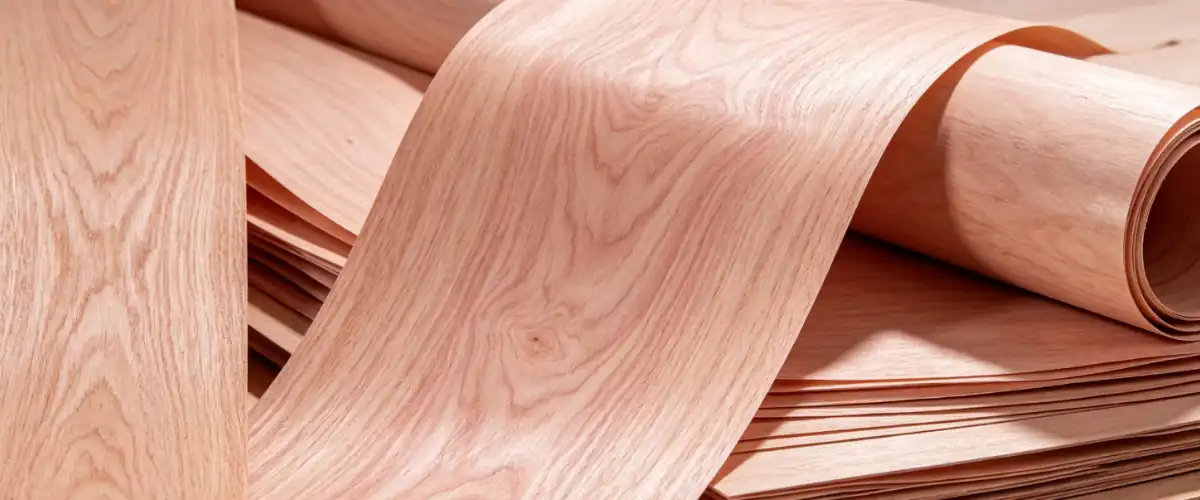
Okoume veneer grades are generally used to describe the visual quality and usability of veneer sheets. Grading may consider factors such as knots, splits, discoloration, holes, surface marks, and overall appearance.
However, grade names are not always based on one universal standard. Different suppliers and markets may use different grading terms and acceptance criteria. Therefore, buyers should ask for a clear grading specification rather than relying only on terms such as A Grade, B Grade, or Commercial Grade.
A supplier’s grading standard should explain which natural characteristics are acceptable and what level of surface quality can be expected. This is especially important for large-volume orders where consistent quality is required across multiple shipments.
Common Okoume Veneer Grades
Suppliers may classify Okoume veneer using terms such as Premium, A Grade, B Grade, C Grade, or Commercial Grade. These descriptions can provide a general indication of quality, but the actual criteria should always be confirmed with the supplier.
- Premium or A Grade: Typically selected when a cleaner and more consistent surface is required. It may be suitable for visible surfaces and decorative applications.
- B Grade: May allow more natural characteristics or minor surface defects while still providing practical quality for many plywood applications.
- C or Commercial Grade: Often considered when appearance is less important and material efficiency is a higher priority.
These categories should be treated as general commercial descriptions rather than universal international grades. The same grade name can represent different quality requirements between suppliers.
How Okoume Veneer Quality Is Evaluated
When comparing Okoume Veneer Grades, buyers should evaluate several physical and visual characteristics instead of focusing on one factor.
Surface Appearance
Color, grain pattern, stains, patches, and visible marks can affect the appearance of the finished product. Higher appearance requirements are usually more relevant when veneer remains visible after production.
Natural Defects
Knots, splits, holes, cracks, and other natural characteristics should be considered during inspection. Buyers should define acceptable defect levels according to the intended application.
Thickness Consistency
Consistent veneer thickness is important for plywood production and other manufacturing processes. Buyers should confirm nominal thickness and tolerance before placing an order.
Sheet Dimensions
Length and width requirements can affect production efficiency and material utilization. Standard or custom dimensions should be agreed with the supplier before manufacturing.
Color Consistency
Natural color variation is possible with wood veneer. For furniture and decorative products, buyers may require closer color matching across individual sheets or production batches.
Moisture Condition
Moisture condition can affect storage, handling, and downstream processing. The required moisture range should therefore be included in the technical specification when relevant.
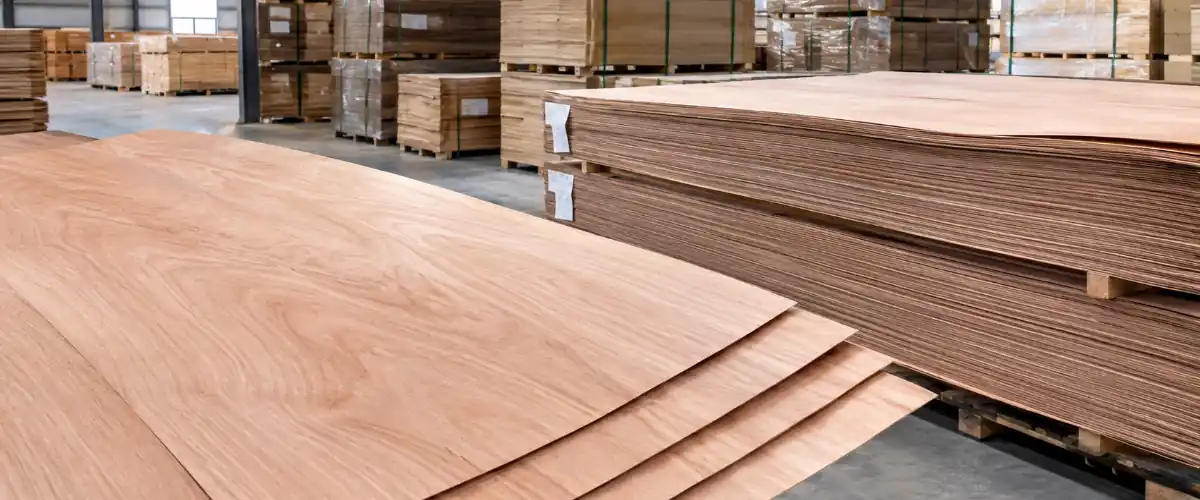
Okoume Veneer Grades for Different Applications
The right grade depends on the finished product and the importance of appearance. Buyers should avoid selecting a higher grade simply because it sounds better if the additional visual quality does not provide a practical benefit.
| Application | Typical Grade Preference | Main Considerations |
|---|---|---|
| Furniture surfaces | Higher grade | Clean appearance and color consistency |
| Decorative panels | Higher grade | Surface quality and visual uniformity |
| Plywood face veneer | Medium to high grade | Appearance and production requirements |
| General plywood | Commercial grades | Usability and material efficiency |
| Industrial applications | Standard grades | Functional quality and dimensional consistency |
These are general purchasing considerations. The appropriate specification may vary depending on the plywood structure, finishing process, and buyer’s quality requirements.
How to Choose the Right Grade
Start with the final application. Determine whether the veneer will be used as a visible face, an internal layer, or part of another wood product. This helps establish how important surface appearance needs to be.
Next, define measurable requirements. These can include acceptable defects, thickness tolerance, sheet dimensions, color expectations, moisture requirements, and packaging conditions.
For new suppliers, requesting samples is also useful. Buyers can compare the samples with their internal quality standards before approving a larger order. A reference sample can then provide a practical quality benchmark for future shipments.
What to Check Before Buying
A clear purchasing specification can reduce misunderstandings between buyers and suppliers. Before placing an order, check the following points:
- Okoume species and veneer type
- Grade definition and defect tolerance
- Nominal thickness and thickness tolerance
- Length and width specifications
- Moisture requirements
- Surface appearance and color consistency
- Packaging and loading requirements
- Inspection procedures
- Required quality or export documentation
For larger orders, buyers can also agree on sample approval and pre-shipment inspection procedures. This creates a clearer reference for both the supplier and the purchasing team.
Choosing the Right Okoume Veneer
The right Okoume veneer grade depends on the intended application, appearance requirements, dimensions, and quality expectations. Instead of relying only on a grade name, buyers should review the supplier’s grading criteria and confirm important specifications with samples.
For detailed product information, learn more about our Okoume Veneer specifications and supply options.