Wood veneer sheets need proper handling and inventory management between delivery and production. Poor storage practices can lead to damaged edges, surface marks, moisture-related changes, and difficulties matching sheets during manufacturing. For furniture manufacturers, plywood factories, and veneer distributors, an organized wood veneer storage process helps protect material quality and reduce avoidable production waste.
From receiving incoming shipments to releasing veneer for use, each step should be documented. The right procedure depends on the wood species, veneer thickness, packaging condition, and intended application.
1. Inspect Wood Veneer Sheets Upon Arrival
Before moving veneer into the warehouse, check the shipment against the purchase order and packing list. Confirm the species, grade, thickness, sheet dimensions, quantity, and batch identification.
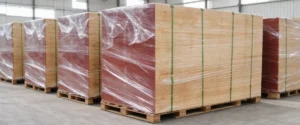
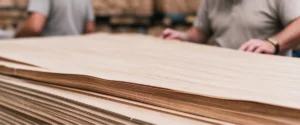
Inspect the packaging for tears, punctures, compression damage, or signs of moisture exposure. After opening a bundle when necessary, examine accessible sheets for broken corners, splits, stains, surface scratches, and visible deformation.
Photograph any damage and record the affected batch before the material enters normal inventory. If the condition could affect production, separate the affected stock until it has been evaluated.
A consistent receiving procedure creates a useful reference for supplier communication and future quality reviews. For more details, see our guide to wood veneer types and applications.
2. Sort Veneer by Species, Grade, and Batch
Mixing different veneer specifications can create unnecessary delays during furniture production or plywood manufacturing. After receiving the shipment, organize sheets according to their intended use and purchasing requirements.
Useful sorting categories include:
- Wood species: Keep different species separate to avoid material mix-ups.
- Grade: Separate sheets according to the agreed grading criteria.
- Thickness and dimensions: Group materials with matching specifications.
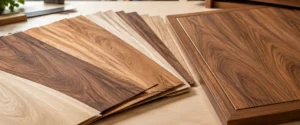
- Color and grain: Organize sheets when visual consistency or decorative matching is important.
- Supplier and batch: Maintain traceability for quality checks and repeat orders.
Assign each storage location a clear identification label. Inventory records should show the quantity received, batch number, storage location, inspection status, and planned production use.
For projects requiring consistent surface appearance, buyers should also establish a reference sample or approved visual standard. Our guide to Okoume veneer grades explains why grade definitions and appearance requirements should be confirmed before production.
3. Organize the Warehouse for Wood Veneer Storage
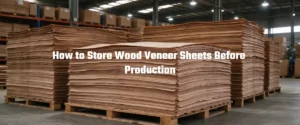
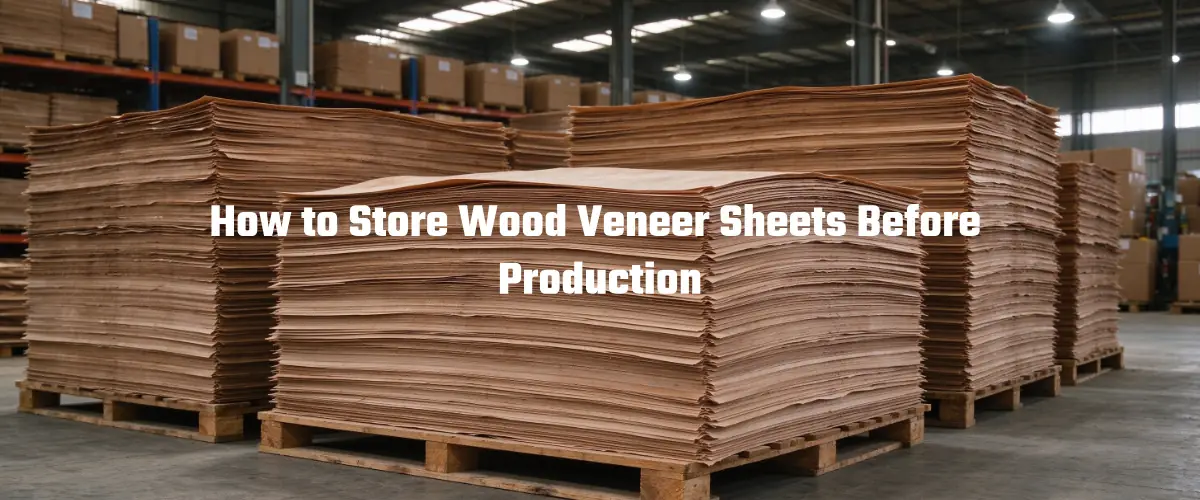
The warehouse should provide a clean, dry, protected environment with suitable support for the veneer format. Keep bundles away from roof leaks, standing water, direct sunlight, and areas where condensation or sudden environmental changes may occur.Effective wood veneer storage also requires clear location labels, suitable sheet support, and regular checks for packaging damage. These measures help manufacturers maintain traceability and prepare materials for production.
For sheet veneer, flat and evenly supported stacking is generally preferable when the product and packaging permit it. The supporting surface should be level, and the stack should not extend beyond its support. Uneven loading can contribute to bending, creasing, or damage to thin sheets.
Avoid placing veneer directly on a damp floor. Use suitable pallets, racks, or other supports that keep the material clear of floor moisture and allow safe handling. Stack heights should follow packaging instructions, material stability, and warehouse safety requirements.
Keep aisles accessible for inspection and movement. Do not place heavy items on top of delicate veneer bundles, and avoid stacking materials in a way that makes lower bundles difficult to retrieve safely.
4. Protect Veneer Edges and Surfaces During Handling
Thin veneer can be damaged even when the main sheet surface appears sound. Small edge splits, crushed corners, and scratches may affect usable yield, particularly when the material is intended for visible furniture surfaces or decorative panels.
Use handling methods appropriate to sheet size, thickness, and packaging. Keep bundles supported when lifting or moving them, and avoid dragging loose sheets across rough surfaces. Edge protectors and suitable wrapping can help reduce impact damage during internal transport.
Workers should also avoid placing tools, fasteners, or other objects where they could mark exposed veneer surfaces. If a bundle must be opened for inspection or partial use, protect the remaining sheets and restore the packaging where practical.
Storage labels should remain readable after handling. This helps employees identify the correct batch without repeatedly opening bundles or moving unrelated stock.
5. Wood Veneer Storage: Managing Moisture Conditions
Wood is a hygroscopic material, meaning it exchanges moisture with the surrounding air. Changes in temperature and relative humidity can affect veneer moisture content and dimensional stability.
Monitor warehouse conditions and investigate unusual changes, particularly when incoming material has been exposed to different climates during transportation. Avoid placing veneer next to heaters, ventilation outlets, or other sources of concentrated heat or airflow.
There is no single moisture target or acclimation period suitable for every veneer species, thickness, adhesive system, and production process. Follow the supplier’s technical specifications and the requirements of the intended manufacturing operation.
If moisture damage is suspected, do not assume that simply leaving the bundle open will solve the problem. Evaluate the affected material before using it, especially when bonding quality or finished-panel stability could be affected.
6. Check Veneer Before Releasing It to Production
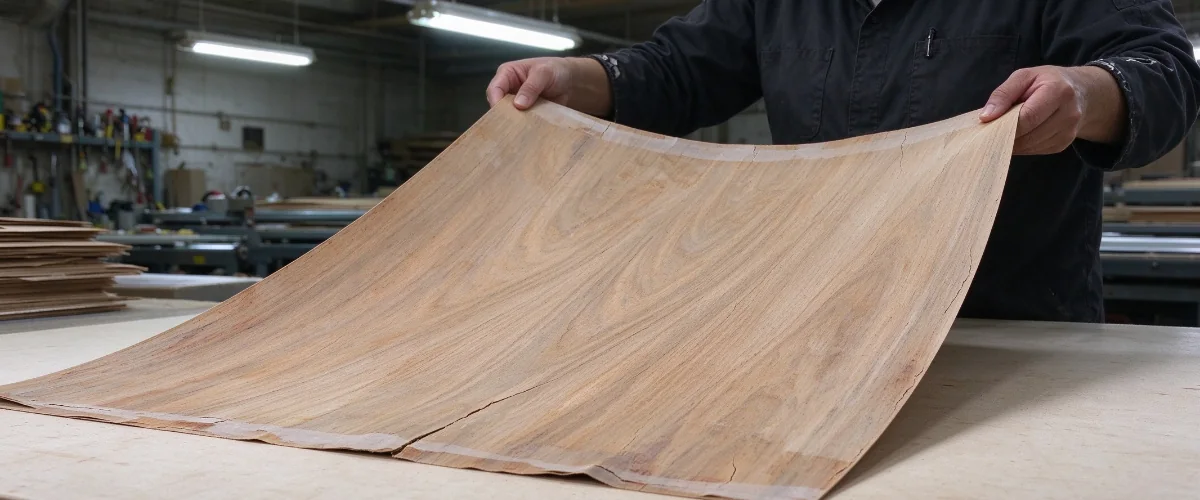
A final inspection helps ensure that stored veneer remains suitable for its planned use. Before issuing material to the production line, verify the batch identity, quantity, dimensions, visible condition, and moisture requirements specified for the process.
For decorative applications, check whether the sheets still meet the required color and grain-matching expectations. For plywood production, confirm that the veneer meets the relevant thickness, condition, and processing requirements.
Record any defects, rejected sheets, or changes in usable quantity. Where several batches are available, issue stock according to the production plan and an established first-in, first-out (FIFO) system, provided the material remains suitable for use.
FIFO helps prevent older inventory from being overlooked, but it does not replace condition checks. A recently received bundle may still require attention if its packaging is damaged or its storage history is uncertain.
Build a Consistent Veneer Inventory Process
Effective wood veneer storage involves more than stacking sheets in a warehouse. Receiving inspections, clear batch identification, suitable support, careful handling, environmental monitoring, and pre-production checks all contribute to better material control.
For manufacturers and distributors managing multiple veneer species or large shipments, documented procedures can improve traceability and reduce avoidable handling losses. Qingdao HuixinWood supplies wood veneer for furniture and wood-based panel applications. Contact our team to discuss available species, dimensions, grades, and supply requirements for your next production order.