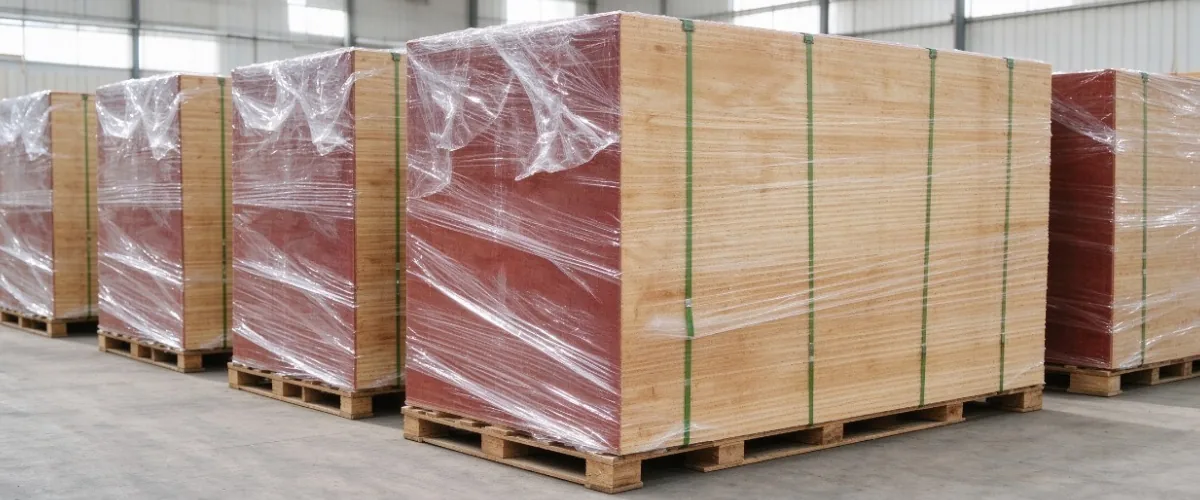
Plywood export packaging plays an important role in protecting wood panels during international transportation. Moisture exposure, damaged edges, surface scratches, and shifting cargo can affect product condition before delivery. For importers, wholesalers, and furniture manufacturers, understanding export packaging and container loading helps reduce shipping risks and simplify receiving inspections.
Proper packaging starts with suitable protective materials and continues through palletizing, container loading, cargo securing, and arrival checks. Buyers should confirm these arrangements with their suppliers before shipment.
1. How Is Plywood Packed for Export?
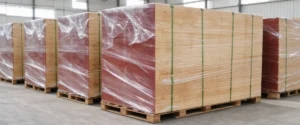
Plywood is usually stacked in bundles according to panel dimensions, thickness, and order requirements. Protective materials are then applied to help prevent damage during handling and transportation.
Common export packaging components include:
- Protective top and bottom boards: Help reduce surface scratches and pressure damage during stacking.
- Plastic wrapping: Provides a barrier against splashes, dust, and some moisture exposure.
- Wooden pallets or skids: Support forklift handling and help keep bundles off the container floor.
- Strapping bands: Hold the bundles together during transportation.
- Corner protectors: Reduce damage caused by straps, impacts, and handling.
The appropriate packaging depends on the plywood type, destination, shipping route, and handling conditions. Buyers sourcing different panel grades can consult our Plywood Buying Guide to review product specifications and confirm suitable plywood export packaging requirements.
2. How to Protect Plywood from Moisture During Shipping
Moisture is a major concern during ocean freight. Temperature changes can cause condensation inside containers, potentially leading to wet packaging, surface staining, mold growth, or other quality problems.
To reduce these risks, buyers and suppliers should consider several precautions.
Use suitable moisture-resistant wrapping. Plastic film can help limit direct contact with splashes and external moisture. However, wrapping alone cannot eliminate condensation risks, especially when moisture becomes trapped inside a bundle.
Check the plywood before packing. Panels should be inspected for visible moisture and stored under appropriate conditions before packaging. Packing damp panels can increase the risk of moisture-related damage.
Inspect the container. The container should be clean, dry, free from visible leaks, and suitable for carrying wood panels. Existing moisture, damaged roof sections, or wet flooring should be addressed before loading.
Consider desiccants where appropriate. Container desiccants may help manage moisture inside the shipping environment. Their quantity and placement should reflect the cargo, container conditions, voyage duration, and expected humidity.
Buyers should also discuss the expected moisture content and storage requirements with their supplier. Moisture protection is most effective when the panels, packaging, and container are all prepared properly.
3. Palletizing and Edge Protection for Plywood
Palletizing makes plywood easier to move and helps organize cargo inside the container. However, pallets must be suitable for the bundle weight and compatible with the planned handling equipment.
The load should be distributed evenly across the supporting structure. Uneven support can contribute to bending, unstable stacking, or damage to panel edges. Corner protectors should be placed where straps could otherwise press directly against the plywood.
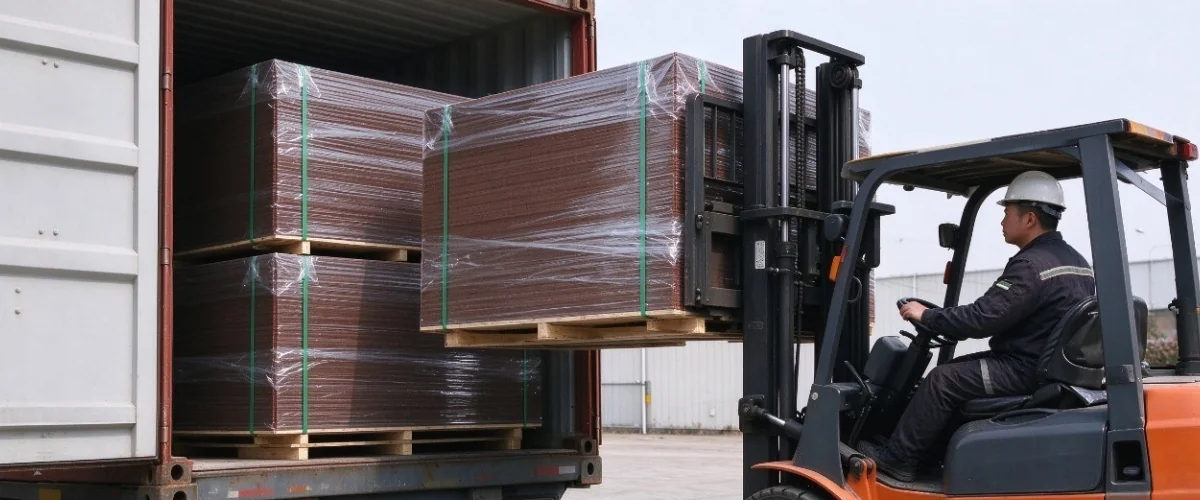
Strapping should hold each bundle securely without applying excessive pressure that could damage the edges or surfaces. Forklift operators should position the forks correctly and avoid dragging bundles across the floor.
For buyers sourcing decorative panels, surface quality deserves particular attention. Our Birch Plywood Complete Guide provides additional information about plywood grades and surface characteristics that may influence handling and protection requirements.
4. Plywood Container Loading: A Step-by-Step Guide
A well-planned loading process helps reduce cargo movement and makes better use of container space.
Step 1: Inspect the Empty Container
Check the floor, walls, roof, doors, and visible seals for damage, water ingress, or contamination. Confirm that the container is suitable for the cargo before loading begins.
Step 2: Confirm Cargo Weight and Loading Plan
Verify the number of bundles, dimensions, and total cargo weight. The loading arrangement must comply with the container’s payload limit, applicable road weight limits, and carrier requirements.
Step 3: Load and Distribute the Bundles
Arrange bundles according to the loading plan. Distribute weight appropriately and avoid concentrated loads that could damage the container floor. Follow the agreed stacking arrangement and keep the cargo stable.
Step 4: Secure the Cargo
Use suitable blocking, bracing, or other cargo-securing methods to limit movement during transit. Packaging straps alone may not be sufficient to secure heavy bundles inside a container.
Step 5: Document and Seal the Shipment
Photograph the loaded cargo, its arrangement, and the container condition before closing the doors. Record the container and seal numbers and complete the required shipping documentation.
For products such as EV Plywood, buyers should confirm the agreed packaging configuration and handling requirements before shipment rather than assuming every order uses identical materials.
5. How to Inspect Plywood After Delivery
Receiving inspection helps buyers identify potential transportation damage before the cargo enters production or distribution.
Start by checking the container seal and exterior condition. Compare the seal number with the shipping documents and record any visible irregularities before unloading.
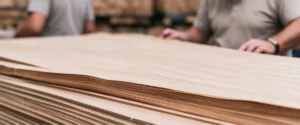
After opening the container, look for signs of water ingress, wet packaging, unusual odors, or damaged bundles. During unloading, check the panel quantity and dimensions against the purchase order and packing list.
Inspect representative panels for:
- Scratches, stains, and discoloration
- Chipped or crushed edges and corners
- Warping or visible deformation
- Mold-like spots or moisture damage
- Differences from approved samples or specifications
If damage is found, take photographs of the container, packaging, affected panels, and shipping labels. Record the quantity affected and notify the supplier and carrier promptly, following the applicable claim procedures.
Do not rely solely on the outer packaging. Where necessary, inspect individual panels and compare their condition with the approved sample and agreed quality requirements.
6. What Should Buyers Confirm Before Shipment?
To ensure proper plywood export packaging, buyers should confirm the following details with their supplier before shipment:
- Panel dimensions, thickness, grade, and quantity
- Packaging materials and bundle configuration
- Pallet requirements and corner protection
- Moisture protection and container inspection
- Loading arrangement and cargo-securing methods
- Bundle labels and shipping marks
- Packing list and other required export documents
- Pre-shipment inspection and photographic records
Written confirmation is particularly useful for repeat orders because it establishes consistent expectations for packaging and delivery.
Conclusion
Reliable plywood export packaging involves more than wrapping panels in plastic. Suitable pallets, edge protection, dry containers, balanced loading, secure cargo arrangements, and careful arrival inspections all contribute to reducing transportation risks.
HuixinWood supports international buyers sourcing plywood and other wood-based panels for different applications. Contact HuixinWood to discuss your required specifications, export packaging preferences, and container loading arrangements before placing your next order.