
1. Define the Plywood Application
Start by identifying how the plywood will be used. The required specifications can vary significantly between furniture manufacturing, construction, interior projects and industrial applications.
For example, furniture manufacturers may prioritize surface appearance, machining performance and dimensional stability. Construction projects may require panels with suitable strength and bonding performance, while decorative applications may place greater importance on the face veneer.
Common plywood applications include:
- Furniture and cabinet manufacturing
- Interior decoration
- Construction
- Concrete formwork
- Packaging
- Transportation
- Industrial manufacturing
Defining the application first makes it easier to select suitable plywood specifications.
2. Choose the Right Plywood Grade
Plywood grade describes aspects of the panel’s surface quality and construction, but grading systems can vary by product type and market. A practical plywood buying guide should consider both surface quality and core construction when comparing different grades.
When comparing plywood grades, check both the face and back veneer. Look for information about knots, repairs, splits, discoloration and other visible defects.
For furniture and decorative applications, a cleaner face may be important because the panel can remain visible after finishing. For structural or concealed applications, buyers may place more emphasis on core construction and bonding performance.
Do not compare grade names alone. Ask the supplier for the grading standard or quality description used for the specific product.
For a detailed example of plywood grading and specifications, see our Birch Plywood Complete Guide.
3. Plywood Thickness and Core Construction
Plywood thickness should match the requirements of the application. Buyers should confirm both the nominal thickness and the acceptable thickness tolerance.
Common commercial specifications vary by product and manufacturer, so the required thickness should be confirmed before production.
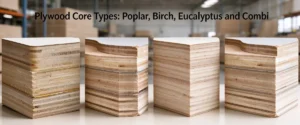
The plywood core is equally important. Different products may use poplar, eucalyptus, birch, combi or other wood species.
When evaluating the core, check:
- Core wood species
- Number of veneer layers
- Core veneer thickness
- Gaps or overlaps
- Panel flatness
- Bonding between layers
A consistent core can help improve panel stability and machining performance. For bulk orders, buyers should make sure the approved sample and production panels follow the same core construction.
For example, Okoume Plywood can be manufactured with different core constructions depending on the required specifications. This is a useful example of why buyers should evaluate core construction rather than considering face species alone.
4. Select the Right Face Veneer
The face veneer affects the appearance and, depending on the product, the processing characteristics of the plywood.
Buyers should consider:
- Wood species
- Veneer grade
- Grain pattern
- Color consistency
- Surface repairs
- Sanding quality
- Finishing requirements
Different species are suitable for different purchasing requirements. Buyers can compare Birch Plywood, Okoume Plywood, Pine Plywood and Bintangor Plywood based on their application and required specifications.
The face veneer should not be selected based only on appearance. Consider how the plywood will be cut, machined, painted, laminated or finished after purchase.
5. Choose the Appropriate Glue Type
The adhesive system is an important part of plywood quality because it affects bonding performance and resistance to moisture.
For interior applications, the required adhesive system may differ from plywood intended for humid environments or other demanding conditions.
When purchasing plywood, ask the supplier about:
- Glue type
- Bonding grade
- Moisture resistance
- Applicable test standard
- Bonding inspection
- Delamination testing
The adhesive should match the expected service environment and the requirements of the project. Avoid selecting plywood based only on a general term such as “water resistant” without confirming the actual product specification.
6. Check Formaldehyde Emission Requirements
Formaldehyde emission can be an important consideration for furniture, interior products and other applications where indoor air quality requirements apply.
Before ordering, confirm the emission requirements for the destination market and intended application. Buyers may also need test reports or other documentation to verify compliance.
Instead of relying only on terms such as “low formaldehyde,” check the actual emission class, testing method and available documentation.
This is particularly important for international B2B orders because requirements can differ between markets and projects.
7. Plywood Quality: What to Check Before Buying

A plywood sample should be evaluated from several aspects rather than by appearance alone. This plywood buying guide can help B2B buyers create a practical checklist before approving a sample.
A practical quality checklist includes:
| Quality Factor | What to Check |
|---|---|
| Surface | Smoothness, sanding and visible defects |
| Face veneer | Grade, color and repairs |
| Core | Gaps, joints and consistency |
| Thickness | Nominal size and tolerance |
| Dimensions | Length, width and tolerance |
| Bonding | Delamination and bonding quality |
| Flatness | Warping and panel stability |
| Moisture | Moisture content |
| Edges | Cutting quality and damage |
| Packaging | Protection during storage and shipping |
For larger orders, buyers can approve a sample before production and arrange inspection before shipment. This can help ensure that bulk production remains consistent with the agreed specifications.
8. Match Plywood Specifications to the Application
There is no single plywood specification suitable for every project.
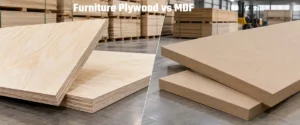
For example, Film Faced Plywood is designed for applications where a film-coated surface and suitable panel construction are required. Furniture Plywood is more closely associated with furniture and interior manufacturing, where surface quality and machining performance can be important.
Other plywood products may be selected according to wood species, appearance, weight, strength, processing requirements or project specifications.
The key is to start with the application and then determine the required grade, thickness, core, veneer and adhesive system.
9. Plywood Buying Guide: What to Confirm With a Supplier
After defining the required specifications, buyers should confirm whether the supplier can consistently meet them. Use this plywood buying guide to compare supplier specifications before placing a bulk order.
Before placing a bulk order, ask about:
- Product specifications
- Wood species and core construction
- Face and back grades
- Thickness tolerance
- Glue type
- Quality control procedures
- Testing and certification documents
- Sample approval
- Packaging
- Container loading
- Export documentation
- Custom sizes or specifications
For international buyers, supplier production capacity and experience with export orders can also be relevant. Clear specifications and written confirmation can help reduce misunderstandings during production.
When comparing a plywood supplier, buyers should evaluate not only price but also product consistency, specifications, quality control and the supplier’s ability to support repeat orders.
Conclusion
Choosing plywood for a B2B project requires more than comparing wood species or thickness. Buyers should evaluate grade, thickness, core construction, face veneer, glue type, formaldehyde requirements and overall panel quality according to the intended application.
A clear purchasing process can make supplier comparisons easier and reduce quality risks. Start with the project requirements, approve the right specifications and sample, and then confirm that the supplier can consistently meet the agreed standards.