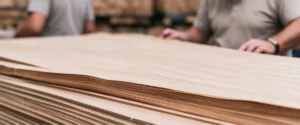
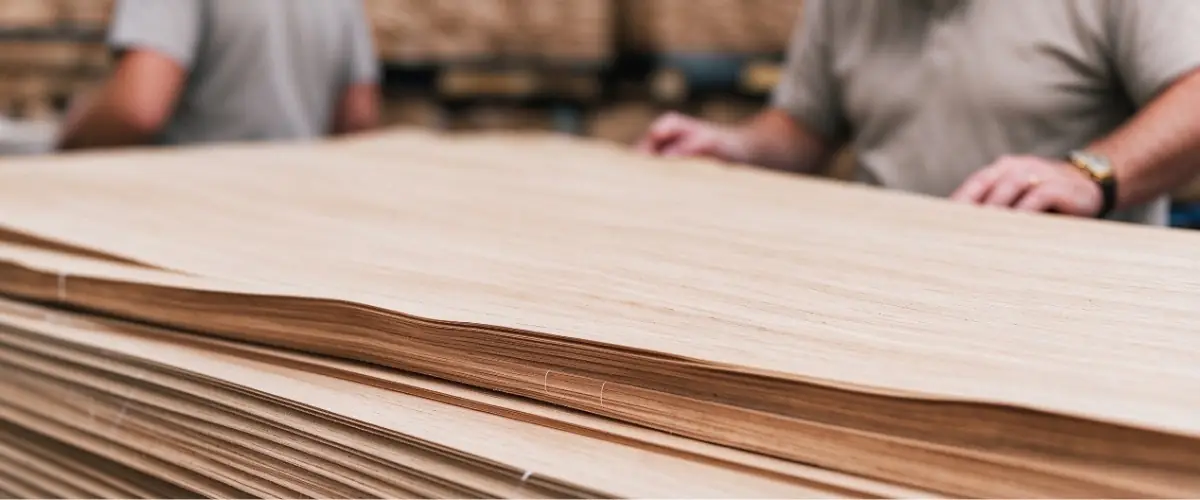
Wood veneer quality inspection is an important step for importers, furniture manufacturers, plywood factories, and wholesale distributors before placing bulk orders. Checking veneer samples carefully helps buyers identify visible defects, verify thickness, evaluate surface consistency, and reduce material waste during production. A clear inspection process also helps prevent disagreements between buyers and suppliers when delivered products differ from approved samples.
Rather than relying on appearance alone, buyers should evaluate several quality factors against their intended applications and agreed specifications.
Why Is Wood Veneer Quality Inspection Important?
Wood veneer is widely used for plywood facing, furniture, cabinets, door skins, and interior decoration. Its quality directly affects the finished product’s appearance, processing efficiency, and material utilization.
Small defects may become more noticeable after pressing, sanding, staining, or surface finishing. For bulk purchases, even minor variations can affect an entire production batch. Establishing inspection criteria before ordering allows buyers to communicate their requirements clearly and evaluate whether the supplied material meets expectations.
5 Key Checks for Wood Veneer Quality
1. Check Color and Grain Consistency
Color and grain are among the first characteristics to inspect, especially when veneer will remain visible on furniture or decorative panels.
Place several sheets side by side under consistent lighting. Look for noticeable color differences, irregular grain patterns, dark stains, and unexpected discoloration. Natural veneer can have variations because each sheet comes from a different part of a tree. However, excessive variation may create an inconsistent appearance across finished panels.
Buyers should also consider grain direction and pattern matching requirements. For large furniture orders, confirm whether the selected veneer needs a relatively uniform appearance or can accommodate natural differences.
For additional background on veneer types and their characteristics, read our guide to wood veneer types and applications.
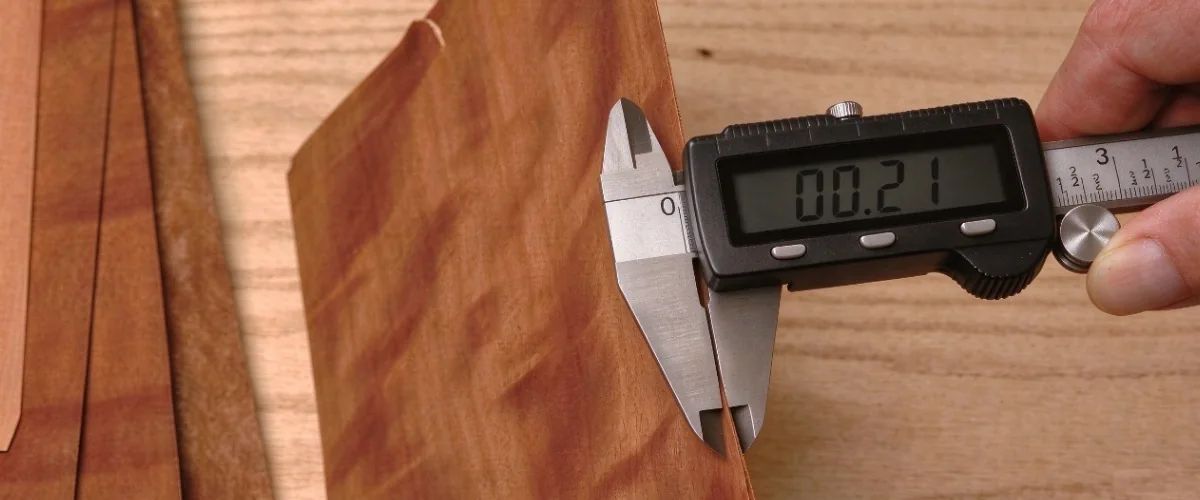
2. Measure Veneer Thickness
Thickness affects material usage, handling, processing, and suitability for different manufacturing applications. Visual inspection alone cannot confirm whether veneer meets the required thickness.
Use a suitable thickness gauge or micrometer to measure multiple sheets at several locations. Record the readings and compare them with the specifications agreed upon with the supplier.
Check for excessive variation between sheets and within individual sheets. Inconsistent thickness may create difficulties during gluing, pressing, sanding, or subsequent processing.
Buyers should specify the required thickness and acceptable tolerance before production begins. Do not assume that all veneer products share the same thickness range or tolerance, as requirements vary by wood species, cutting method, and intended application.
3. Identify Cracks and Surface Defects
Examine both sides of each sample under adequate lighting. Common defects to look for include splits, open cracks, holes, rough patches, knife marks, damaged edges, and visible stains.
Some natural characteristics, such as knots and mineral streaks, may be acceptable depending on the wood species and product grade. Processing defects, however, may affect usable area or the appearance of the finished product.
Pay particular attention to small cracks that could widen during handling or further processing. For veneer intended for decorative applications, surface defects may be especially important because finishing can make certain imperfections more visible.
Rather than rejecting every sheet with a natural variation, buyers should define acceptable defects according to the application, agreed grade, and quality requirements.
4. Inspect Joints and Sheet Edges
When veneer sheets are joined or assembled into larger patterns, the quality of the joints can influence both appearance and production efficiency.
Check whether adjoining edges are reasonably straight, aligned, and free from excessive gaps. Look for chipped corners, missing sections, uneven edges, and visible joint lines that may interfere with the intended design.
For decorative furniture and cabinet surfaces, confirm that the grain direction and joint arrangement match the approved sample. For veneer used in plywood production, evaluate whether the sheet dimensions and edge condition suit the intended manufacturing process.
Not every veneer product uses joined sheets, so inspection criteria should reflect the supplied product type and processing requirements.
5. Compare Quality Across Batches
A satisfactory sample does not automatically guarantee consistent quality throughout a bulk shipment. Batch consistency is particularly important for manufacturers purchasing veneer repeatedly or using multiple bundles in the same production run.
Inspect samples from several bundles rather than selecting sheets from only one location. Compare color, grain, thickness, dimensions, and visible defect levels against the approved reference sample.
For repeat orders, retain sample records, specification sheets, and inspection photographs. These records help buyers compare deliveries over time and identify changes that may require clarification with the supplier.
Where necessary, agree on a sampling method and acceptance criteria before shipment. This creates a more objective basis for evaluating bulk orders than relying on general descriptions such as premium quality or uniform appearance.
How to Set Veneer Acceptance Criteria Before Buying
Before confirming an order, prepare a written specification covering wood species, thickness, sheet dimensions, grade, cutting method, and intended application. Include requirements for color variation, grain matching, visible defects, edge condition, and acceptable thickness tolerance where relevant.
Request a representative sample and confirm that both parties understand the agreed quality level. For larger orders, buyers can also arrange pre-shipment inspection or request inspection records, depending on the order requirements.
If sourcing a specific product, review the available specifications for Okoume veneer or discuss the required material characteristics with the supplier before production.
Wood Veneer Quality Inspection Checklist
Use the following checklist before approving a veneer order:
-
Color and grain meet the approved sample.
-
Thickness measurements match the agreed specifications.
-
Cracks and surface defects fall within acceptable limits.
-
Edges and joints meet processing requirements.
-
Samples from different bundles show acceptable consistency.
-
Product specifications and inspection criteria are documented.
Conclusion
Effective wood veneer quality inspection helps buyers make more informed purchasing decisions and reduce avoidable production problems. By checking appearance, thickness, defects, joints, and batch consistency, buyers can establish clearer expectations before placing bulk orders.
HuixinWood supplies wood veneer for plywood manufacturing, furniture, and other woodworking applications. Contact our team to discuss your required specifications, request product samples, and confirm quality requirements before ordering.