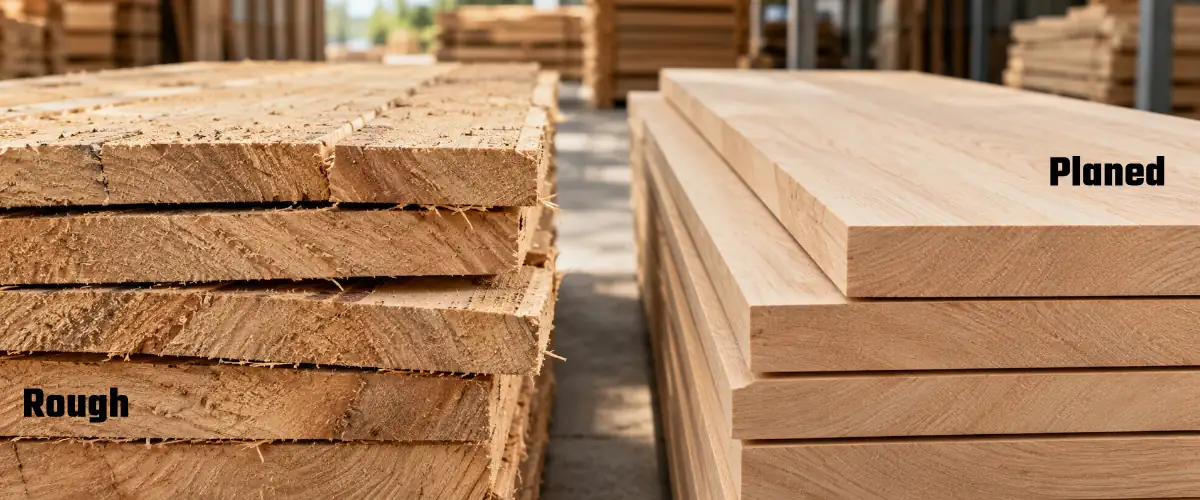
When sourcing timber for construction, furniture, packaging, or woodworking, the choice between planed vs rough sawn timber can affect cost, dimensions, appearance, processing time, and final product quality. Rough sawn timber retains the textured surface created during sawing, while planed timber is machined to create smoother and more consistent faces.
Neither option is universally better. The right choice depends on whether you need a raw material for further processing or timber that is already prepared for installation and finishing.
What Is Rough Sawn Timber?
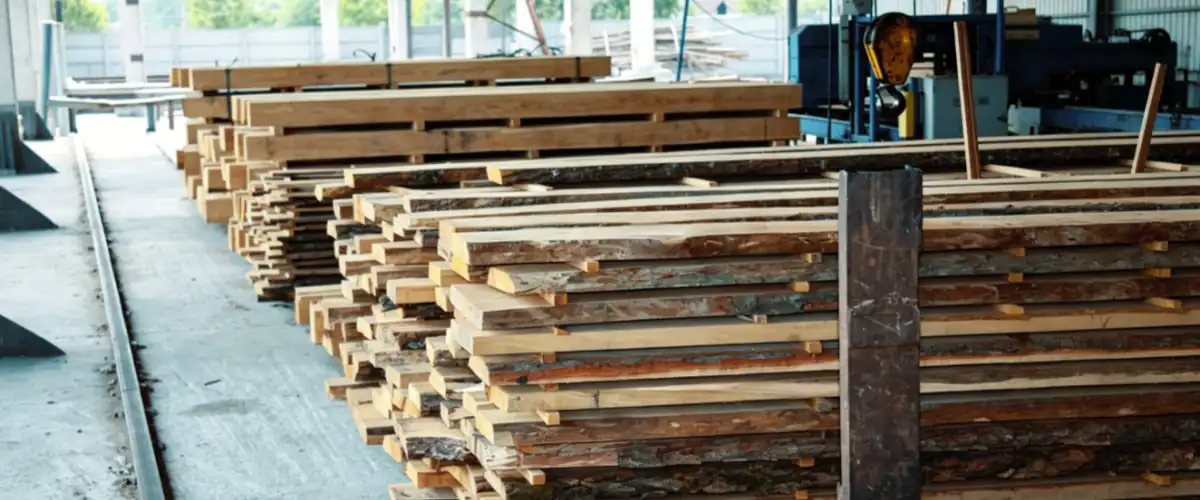
Rough sawn timber is timber that has been cut from a log but has not undergone additional surface planing. Its faces may show saw marks, natural texture, and minor dimensional variations. Because less machining is required, it can be a cost-effective option for projects where surface appearance is not the main concern.
Rough sawn boards are commonly used for structural components, packaging, pallets, crates, temporary construction, and woodworking projects where further machining is expected. If you are comparing timber specifications, grades, sizes, and applications before purchasing, our sawn timber buying guide provides a broader overview.
Another advantage is that rough sawn timber generally retains more of its original section before final machining. This gives manufacturers more material to work with when cutting, sizing, or planing boards to their required dimensions.
What Is Planed Timber?
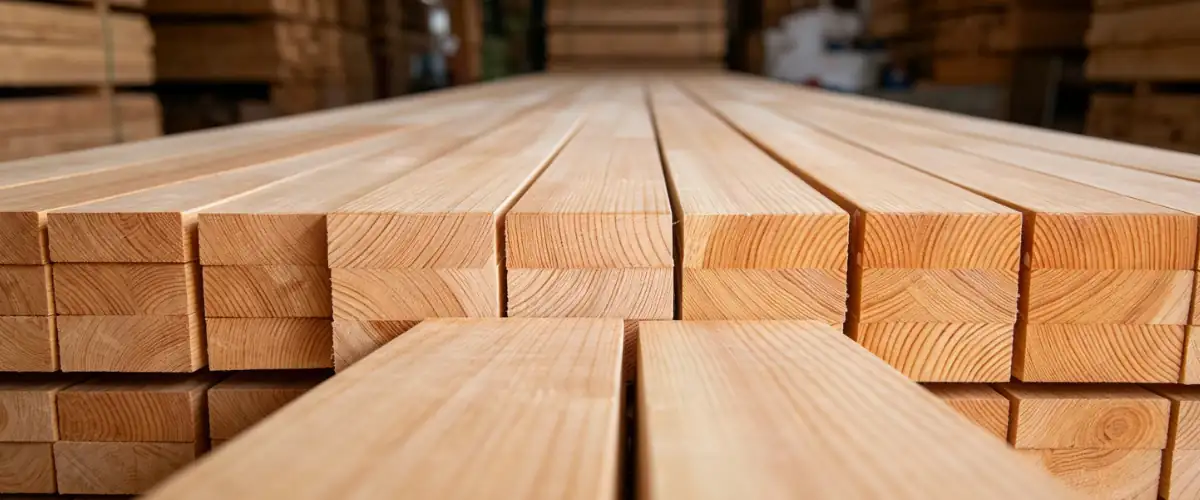
Planed timber is sawn timber that has been processed with planing equipment to create smoother and more uniform surfaces. Depending on the specification, one, two, or all four faces can be planed.
A common specification is Planed All Round (PAR), in which all four faces are machined. Other specifications may include planed both sides or planed square edge timber.
Planing improves surface smoothness and dimensional consistency, making the material easier to use in applications where accurate dimensions and a clean appearance are important. Since planing removes material from the original board, buyers should always confirm the finished dimensions with their supplier.
Planed vs Rough Sawn Timber: Key Differences
The main differences between the two options are surface finish, dimensional accuracy, processing requirements, and overall cost.
1. Surface Finish
Rough sawn timber has a coarse surface with visible saw marks and a more natural appearance. This can be suitable for rustic designs or applications where the timber will be covered, machined, or otherwise concealed.
Planed timber has a smoother surface and cleaner edges. It is generally more suitable for visible woodwork, furniture components, interior products, and applications where a refined appearance is required.
2. Dimensional Accuracy
Rough sawn timber can have greater variations in thickness, width, and edge straightness because it has not been fully machined.
Planed timber is processed to achieve more consistent dimensions. This can simplify assembly and help manufacturers maintain tighter production tolerances.
However, buyers should distinguish between nominal and finished dimensions. Because planing removes material, the final size can be smaller than the original rough-sawn size. For commercial orders, confirming both the initial and finished dimensions can help avoid specification issues.
3. Cost and Processing
Rough sawn timber usually requires less processing at the supplier level. This can make it attractive for buyers who have their own planing or machining capabilities.
Planed timber generally has a higher purchase price because additional machining has already been completed. However, it can reduce labor, equipment use, and preparation time during the next stage of production.
Therefore, the lowest purchase price does not always mean the lowest overall project cost. Buyers should consider both the material price and the processing costs that may be required after delivery.
4. Applications
The best finish depends largely on how the timber will be used. Rough sawn timber is commonly selected for:
- Structural timber and framing
- Pallets and crates
- Industrial packaging
- Temporary construction
- Timber that will be machined later
- Rustic or textured applications
Planed timber is more suitable for applications where surface quality and dimensional consistency are important, such as:
- Furniture components
- Interior joinery
- Shelving and decorative woodwork
- Visible construction elements
- Doors and window components
- Projects requiring smooth, consistent surfaces
The same wood species can often be supplied in either finish, so surface processing is a separate consideration from species selection. For buyers comparing timber types as well as processing options, our guide to hardwood vs softwood sawn timber explains how species can affect strength, durability, appearance, and typical applications.
Which Timber Should You Choose?
Choose rough sawn timber when you need a cost-effective raw material, have your own machining capabilities, or do not require a smooth finished surface.
Choose planed timber when surface appearance, dimensional consistency, easy installation, or reduced processing time is more important.
For commercial buyers, the decision should also consider wood species, grade, moisture content, dimensions, allowable tolerances, packaging, and intended application. When ordering planed timber, clearly specify whether you require PAR, planed two sides, or another surface specification.
What to Check When Buying Sawn Timber
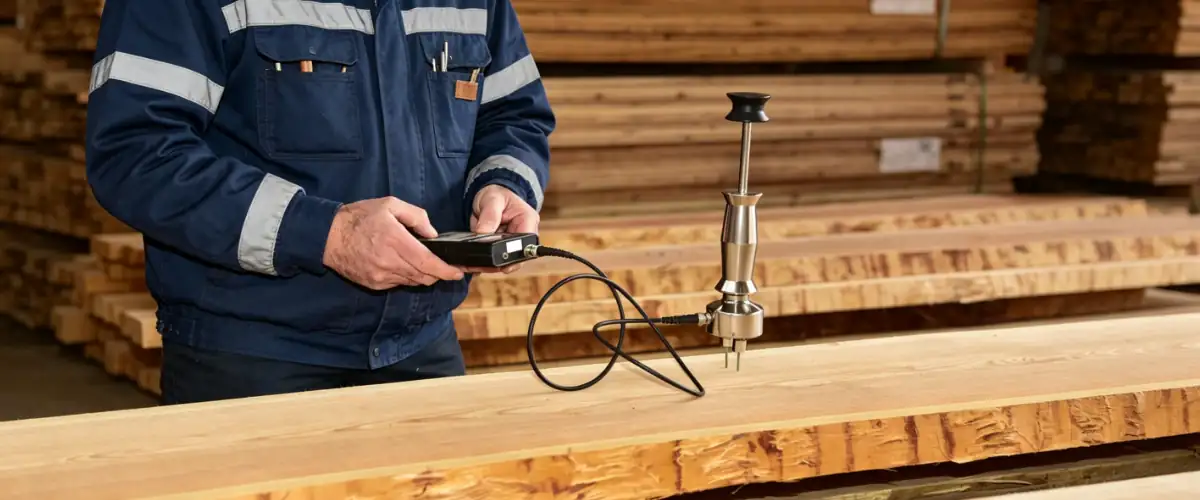
Before placing an order, confirm the following specifications with your supplier:
- Wood species and grade
- Rough sawn or planed finish
- Finished or nominal dimensions
- Length range and tolerances
- Moisture content
- Quantity and packing requirements
- Intended application
- Required certificates or compliance standards
Providing clear specifications helps suppliers prepare accurate quotations and reduces misunderstandings during production and shipment. For planed timber in particular, confirming the required finished dimensions and surface specification before production is important.
Conclusion
The choice between planed vs rough sawn timber ultimately depends on your project’s processing requirements. Rough sawn timber is a practical choice when further machining is expected, while planed timber can save preparation time when a smoother and more consistent finish is required.
For commercial sourcing, consider the total cost rather than the initial timber price alone. Surface finish, finished dimensions, wood species, grade, moisture content, and intended application should all be confirmed before placing an order.
If you need help selecting the right timber specification for your project, contact us to discuss your requirements with the HuixinWood team. We can provide sawn timber in different species, grades, dimensions, and surface finishes according to your manufacturing and project needs.