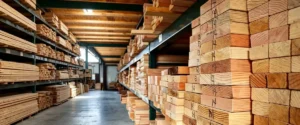
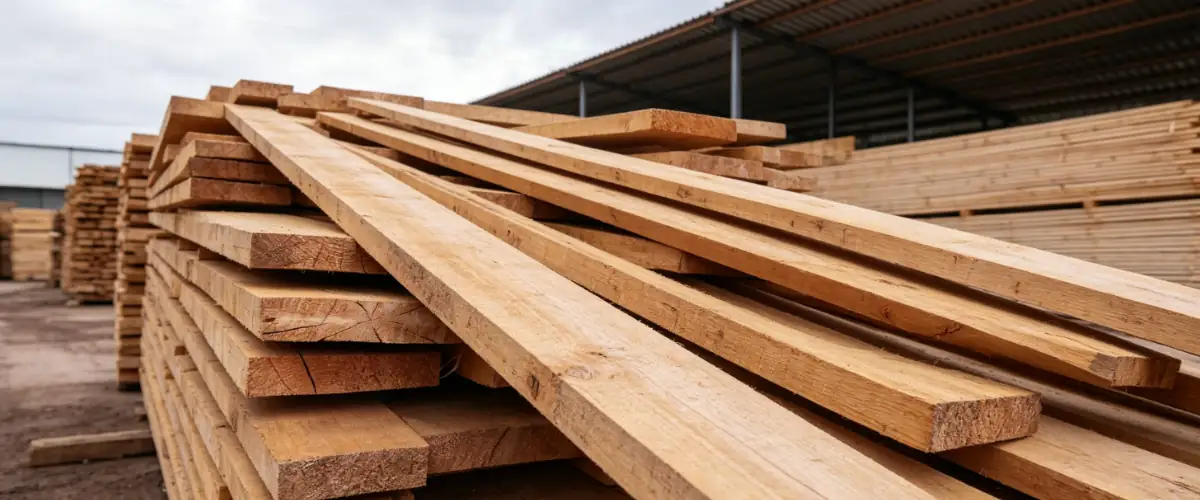
Sawn timber is one of the most widely used wood materials in construction, furniture manufacturing, packaging, flooring, and general woodworking. Made by cutting logs into boards, planks, beams, and other sections, it provides a practical starting material for many manufacturing and building projects.
However, buying timber for an international project involves more than choosing a wood species. Moisture content, grade, dimensions, surface condition, and intended application can all affect the final result. This guide explains the main timber types, grading considerations, common sizes, applications, and key factors to check before placing an order.
What Is Sawn Timber?
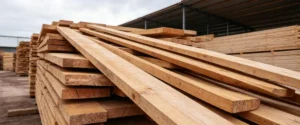
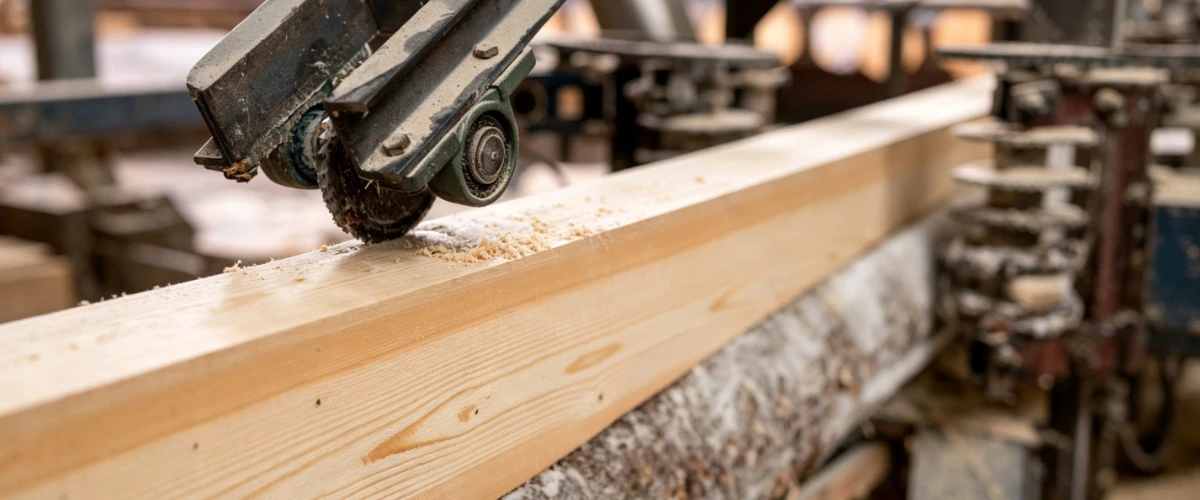
Sawn timber is wood that has been mechanically cut from logs into specific dimensions. Depending on the production process, it may be supplied as rough-sawn material or further processed through planing and other machining operations.
Unlike plywood and other engineered wood products, solid timber retains the natural grain and characteristics of the original tree. Knots, grain patterns, color variations, and other natural features may therefore be visible.
For buyers, these characteristics are not necessarily defects. Their importance depends on the intended application and the quality grade required.
Main Types of Timber
There are several ways to classify this material. The most common approach is to look at the wood species and the level of processing.
Hardwood
Hardwood comes mainly from broadleaf trees such as oak, beech, ash, poplar, and other species. Depending on the species, it can offer good strength, density, workability, or visual appeal.
Hardwood boards are commonly used for furniture, flooring, doors, interior components, decorative products, and other applications where appearance and material performance matter.
Softwood
Softwood is generally sourced from coniferous species such as pine, spruce, and fir. It is widely used in construction, packaging, furniture components, and general woodworking.
Many softwood species are relatively lightweight and easy to machine, making them practical for large-volume projects and applications where cost efficiency is important.
Rough-Sawn Material
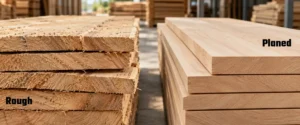
Rough-sawn boards retain the relatively coarse surface created during the sawing process. Saw marks and minor dimensional variations may be visible.
This type is often suitable for structural work, packaging, temporary construction, and applications where the surface will be machined or covered later.
Planed Material
Planed boards are processed after sawing to create smoother and more consistent surfaces. Planing can also improve dimensional accuracy.
This option is commonly selected for furniture components, interior applications, visible woodwork, and projects where a cleaner surface is required.
Understanding Timber Grades
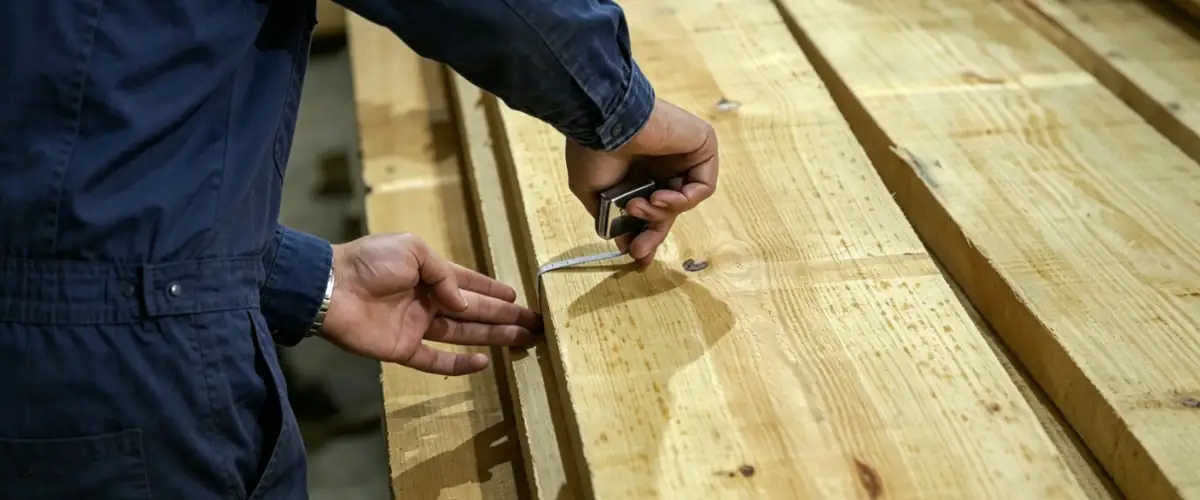
The grade indicates the quality and permitted characteristics of the material. Depending on the species and grading standard, factors such as knots, cracks, wane, discoloration, grain deviation, and other natural features may affect the classification.
Higher grades generally provide a cleaner and more consistent appearance. Lower grades may contain more natural characteristics but can be a cost-effective choice for construction, packaging, or other utility applications.
One important point for international buyers is that grading terminology is not always universal. Terms such as “A grade,” “premium,” or “select” may have different meanings between suppliers.
Before purchasing, confirm the supplier’s grading standard and inspection criteria rather than relying on the grade name alone.
Common Timber Sizes
Timber is available in many combinations of thickness, width, and length. The right dimensions depend heavily on the final application.
Common products include:
- Boards for furniture and woodworking
- Planks for construction and general use
- Square sections for manufacturing
- Beams for structural applications
- Custom-cut pieces for industrial production
When discussing dimensions with an overseas supplier, check whether the quoted measurements are nominal or actual sizes. Drying, planing, and machining can reduce the final dimensions.
It is also important to confirm dimensional tolerances before production, especially when the material will be used in automated manufacturing.
Sawn Timber Applications
The versatility of solid wood makes it suitable for a wide range of industries.
Construction:
Boards, planks, and structural sections can be used for framing, roofing components, wall structures, temporary structures, and general building work.
Furniture manufacturing:
Manufacturers use selected species for furniture frames, legs, components, panels, and decorative parts. The required grade usually depends on whether the material will remain visible.
Packaging:
Wooden pallets, crates, boxes, and industrial packaging often use economical grades that provide sufficient strength without unnecessary appearance requirements.
Flooring and interiors:
Certain species are suitable for flooring, stairs, doors, wall elements, and other interior products where grain and appearance are important.
Woodworking:
Solid boards can be sawn, drilled, sanded, routed, CNC-machined, or otherwise processed according to the manufacturer’s production requirements.
How to Choose the Right Timber
The best choice depends on the job. Before requesting a quotation, consider these factors:
1. Species
Select a species according to strength, density, workability, durability, and appearance.
2. Grade
Define the acceptable level of knots, cracks, discoloration, and other natural characteristics.
3. Moisture Content
Moisture content can affect dimensional stability and machining performance. For many applications, kiln-dried material is preferable to freshly sawn wood.
4. Dimensions
Specify thickness, width, length, and acceptable tolerances clearly. This helps avoid misunderstandings during production.
5. Surface Condition
Decide whether you need rough-sawn, planed, sanded, or otherwise processed material.
6. Quality Control
For large orders, ask how the supplier checks moisture, dimensions, grading, packing, and product consistency before shipment.
Buying Sawn Timber from an Export Supplier
For B2B buyers, the cheapest quotation is not always the best deal. A supplier should be able to provide consistent species, grades, dimensions, moisture levels, and production quality across different shipments.
Before confirming an order, request detailed specifications and clarify the following:
- Available species and grades
- Standard and custom dimensions
- Moisture content requirements
- Surface treatment or machining
- Packaging method
- Quality inspection procedures
- Production lead time
- Export documentation
- Container loading capacity
If you are planning regular purchases, it is also worth checking whether the supplier can maintain stable production and provide consistent quality between batches.
Conclusion
Sawn timber remains a versatile choice for construction, furniture, packaging, flooring, and woodworking. There is no single species or grade that fits every project.
The right selection should balance wood species, grade, moisture content, dimensions, surface quality, and application requirements. For international buyers, clear specifications are especially important because they reduce misunderstandings and make supplier quotations easier to compare.
If you are sourcing timber for a commercial or manufacturing project, contact us to discuss your required species, grades, sizes, moisture content, and order requirements. Our team can help you find a suitable timber solution and provide consistent quality, accurate specifications, and reliable export support.