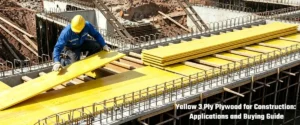
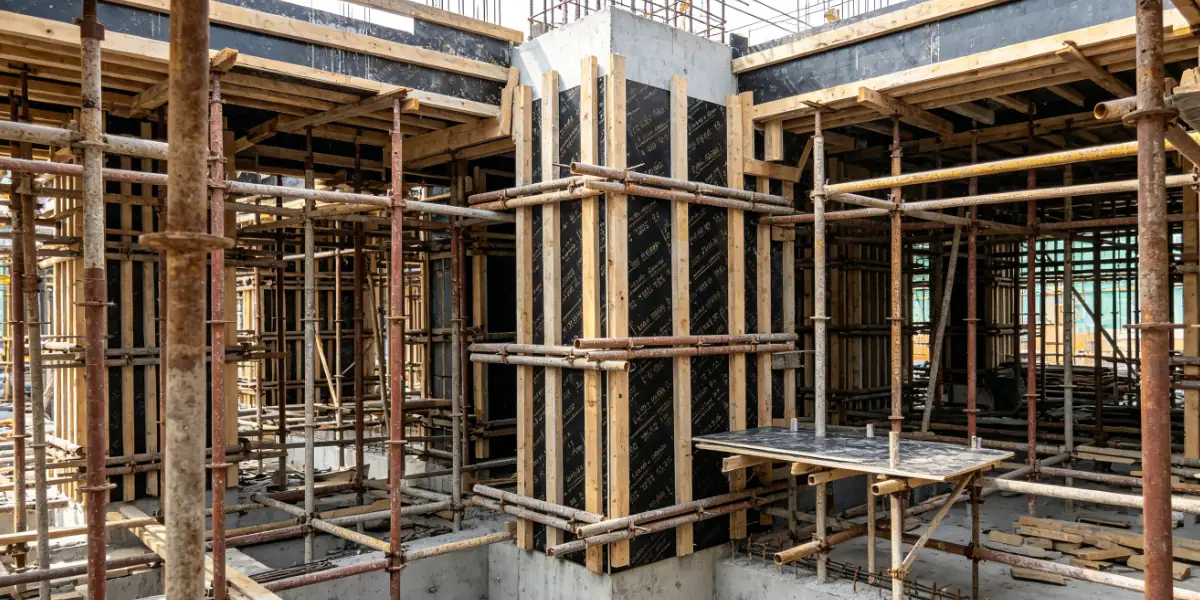
Choosing the right Film Faced Plywood for concrete formwork is essential for achieving smooth concrete surfaces, improving construction efficiency, and reducing overall project costs. Different plywood grades, thicknesses, core materials, and film coatings can significantly affect the performance and service life of concrete formwork systems.
For contractors, builders, and plywood buyers, selecting suitable film faced plywood for concrete formwork requires careful evaluation of strength, waterproof performance, durability, and supplier reliability. This complete buying guide explains the key factors to consider before purchasing film faced plywood for construction projects.
What Is Film Faced Plywood for Concrete Formwork?
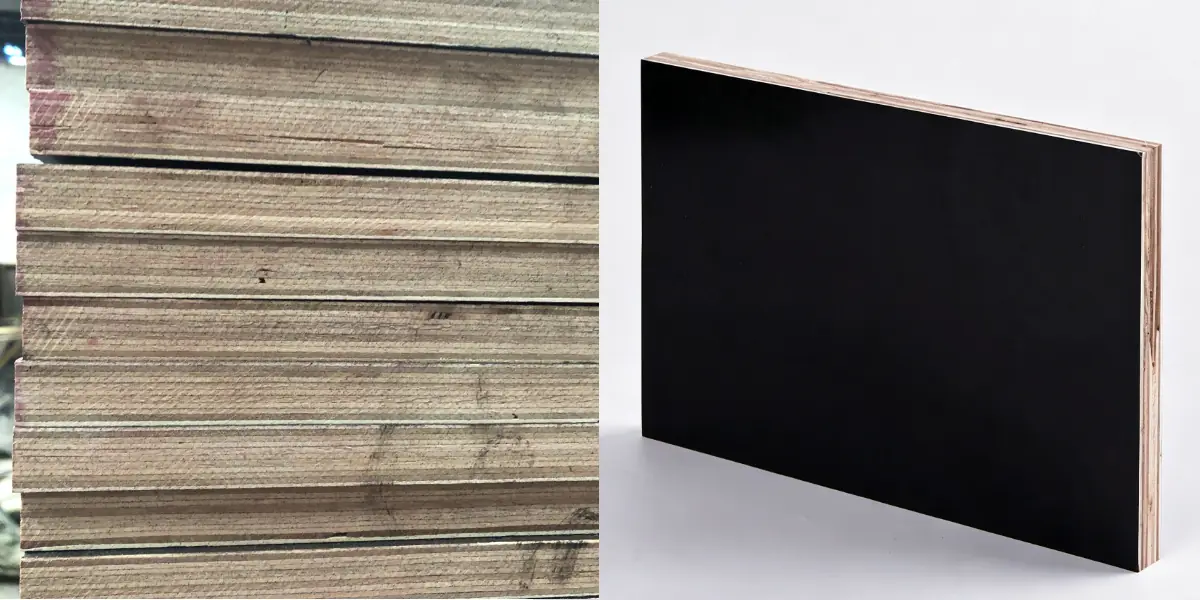
Film faced plywood is a specially designed plywood panel used mainly in construction concrete formwork applications. It is manufactured by covering plywood panels with a waterproof phenolic film on the surface, creating a smooth, durable, and moisture-resistant finish.
Unlike ordinary plywood, film faced plywood is designed to withstand repeated exposure to water, pressure, and harsh construction environments. It helps create smooth concrete surfaces while reducing the need for additional finishing work after concrete pouring.
The typical structure of film faced plywood includes:
- Phenolic resin film surface
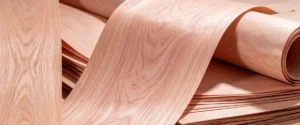
- High-quality wood veneer layers
- Strong plywood core material
- Water-resistant adhesive bonding
Why Is Film Faced Plywood Widely Used in Concrete Formwork?
Concrete formwork plays an important role in modern construction projects. The quality of formwork materials directly affects concrete appearance, construction speed, and project costs.
1. Provides a Smooth Concrete Surface
The smooth film coating on film faced plywood prevents concrete from sticking to the panel surface. It helps produce cleaner concrete finishes with fewer surface defects, reducing additional repair work.
2. Excellent Waterproof Performance
During concrete casting, plywood panels are exposed to water and moisture for long periods. High-quality film faced plywood uses waterproof phenolic glue and protective film layers to maintain stability in wet environments.
3. Higher Reuse Efficiency
Compared with traditional plywood, construction-grade film faced plywood can be reused multiple times when properly handled. This helps contractors reduce material consumption and lower construction expenses.
Key Factors to Consider When Choosing Film Faced Plywood
When selecting film faced plywood for concrete formwork, buyers should consider several important factors, including thickness, core material, film quality, adhesive performance, and manufacturing standards.
1. Choose the Right Film Faced Plywood Thickness
Thickness is one of the most important factors affecting plywood strength and load-bearing capacity. Different construction projects require different plywood thicknesses.
| Thickness | Common Applications |
|---|---|
| 12mm Film Faced Plywood | Small construction projects and lightweight formwork |
| 15mm Film Faced Plywood | Residential buildings and general applications |
| 18mm Film Faced Plywood | Standard concrete formwork and commercial construction |
| 21mm Film Faced Plywood | Heavy-duty construction projects |
| 24mm or thicker | Large infrastructure and high-load applications |
Among different options, 18mm film faced plywood is one of the most commonly used specifications because it provides an excellent balance between strength, weight, and cost.
2. Select the Suitable Core Material
The plywood core determines the strength, stability, and reuse performance of film faced plywood. Different core materials are suitable for different construction requirements.
Poplar Core Film Faced Plywood
Poplar core plywood is lightweight and economical. It is commonly used for projects where easy handling and cost efficiency are important.
Advantages include:
- Lightweight structure
- Easy installation
- Competitive price
Eucalyptus Core Film Faced Plywood
Eucalyptus core film faced plywood offers higher density and better mechanical strength compared with poplar core plywood. It is widely used for demanding construction projects requiring better durability.
Advantages include:
- Higher strength
- Better bending resistance
- Longer service life
Birch Core Film Faced Plywood
Birch core plywood provides excellent stability and strength. It is often selected for premium construction applications where high performance is required.
3. Check the Quality of Film Coating
The film surface is a key component that determines waterproof performance, concrete finish quality, and reuse times.
High-quality film faced plywood usually uses phenolic film, which provides:
- Strong water resistance
- Smooth concrete surface
- Better wear resistance
- Improved reuse capability
Common film colors include brown film, black film, and red film. The color mainly represents appearance and market preference, while the actual performance depends on film thickness, resin quality, and production technology.
4. Pay Attention to Glue Quality
The adhesive used in film faced plywood directly affects durability and waterproof performance.
For concrete formwork applications, WBP phenolic glue is recommended because it provides excellent resistance against moisture, temperature changes, and outdoor conditions.
High-quality film faced plywood should maintain strong bonding performance without delamination after repeated exposure to water.
How Many Times Can Film Faced Plywood Be Reused?
The reuse times of film faced plywood depend on product quality, construction conditions, storage methods, and handling processes.
| Plywood Grade | Estimated Reuse Times |
|---|---|
| Economy Grade | 3-5 times |
| Standard Grade | 8-12 times |
| Premium Grade | 15-30 times or more |
Proper cleaning, edge protection, and correct storage can significantly extend the service life of film faced plywood.
How to Check Film Faced Plywood Quality Before Buying?
1. Inspect the Surface Quality
Check whether the plywood surface is smooth and free from defects such as bubbles, cracks, peeling, or uneven coating.
2. Check Edge Sealing
The edges should be properly sealed to prevent moisture from entering the plywood core and causing swelling or delamination.
3. Verify Thickness Accuracy
Reliable manufacturers should provide accurate thickness measurements and consistent product dimensions.
4. Test Bonding Strength
Strong bonding between veneer layers ensures better durability during repeated concrete casting operations.
Common Mistakes When Buying Film Faced Plywood
Buying Only Based on Price
Low-cost plywood may use inferior core materials, thin film coatings, or poor-quality glue. Although the initial purchase price is lower, frequent replacement can increase long-term costs.
Ignoring Core Material
Different construction projects require different plywood strengths. Choosing unsuitable core materials may lead to deformation or reduced reuse times.
Selecting an Unreliable Supplier
A professional film faced plywood supplier should provide stable quality, production experience, inspection reports, and consistent delivery capability.
Common Specifications of Film Faced Plywood
| Item | Specification |
|---|---|
| Product | Film Faced Plywood |
| Thickness | 12mm-40mm |
| Standard Sizes | 1220×2440mm, 1250×2500mm |
| Surface Film | Phenolic Film |
| Core Materials | Poplar, Eucalyptus, Birch, Combi |
| Glue | WBP Phenolic Glue |
| Moisture Content | 6%-10% |
| Applications | Concrete Formwork, Construction Projects |
How to Choose a Reliable Film Faced Plywood Supplier?
Choosing the right supplier is as important as selecting the right plywood product. A reliable manufacturer should have professional production facilities, strict quality control systems, and experience supplying international construction markets.
Before placing an order, buyers should evaluate:
- Factory production capacity
- Quality inspection process
- Product certifications
- Export experience
- After-sales support
Conclusion
Choosing the right Film Faced Plywood for concrete formwork requires careful consideration of thickness, core material, film quality, glue performance, and supplier reliability.
High-quality film faced plywood can provide smoother concrete surfaces, longer reuse cycles, and better cost efficiency for construction projects. By understanding these key factors, contractors and buyers can select the most suitable plywood solution for their specific applications.
If you are looking for a reliable Film Faced Plywood supplier or need professional advice on selecting the right plywood for your construction projects, please feel free to contact us. Our team can provide detailed product information, customized solutions, and competitive quotations based on your requirements.