Introduction
When choosing materials for furniture, cabinets, and interior projects, understanding the pros and cons of melamine MDF is essential. Melamine MDF combines a medium‑density fiberboard core with a decorative melamine resin surface, offering a balance of affordability, appearance, and performance. However, like every engineered wood product, it also has certain limitations that buyers should consider before making a decision.
Whether you are a furniture manufacturer, contractor, distributor, or homeowner, knowing the advantages and disadvantages of melamine MDF can help you select the right material for your application.
What Is Melamine MDF?
Melamine MDF is a type of MDF board covered with a melamine resin‑impregnated decorative paper layer under high temperature and pressure.
The MDF core provides a smooth, stable, and easy‑to‑machine structure, while the melamine surface adds:
- Decorative wood grain or solid colors
- Scratch resistance
- Easy cleaning performance
- Improved surface durability
Compared with traditional MDF panels, melamine MDF eliminates the need for additional painting or laminating processes, making it widely used in modern furniture manufacturing.
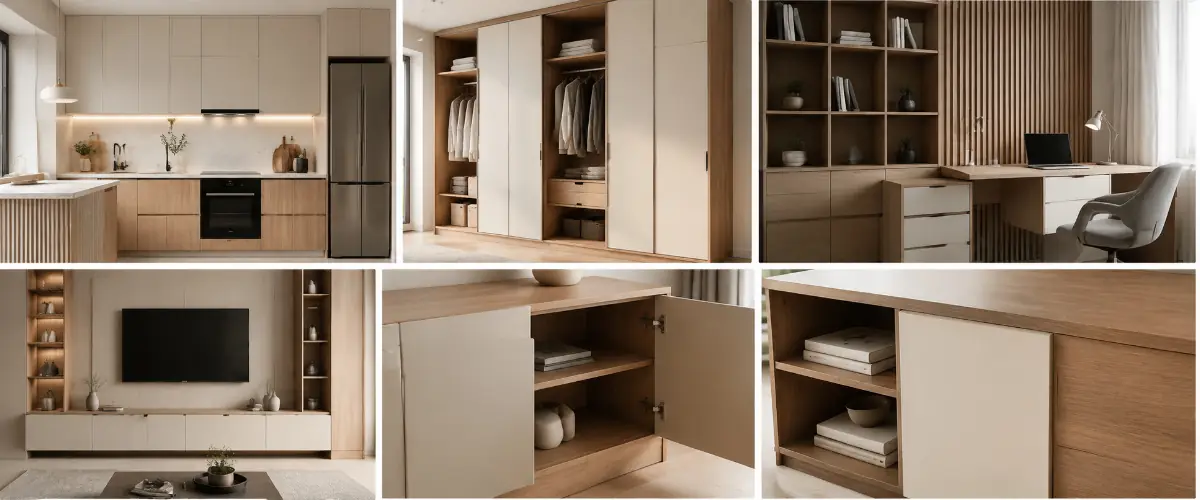
Common applications include:
- Kitchen cabinets
- Wardrobes
- Office furniture
- Shelving
- Wall panels
- Interior decoration projects
Pros of Melamine MDF
1. Attractive Appearance with Multiple Designs
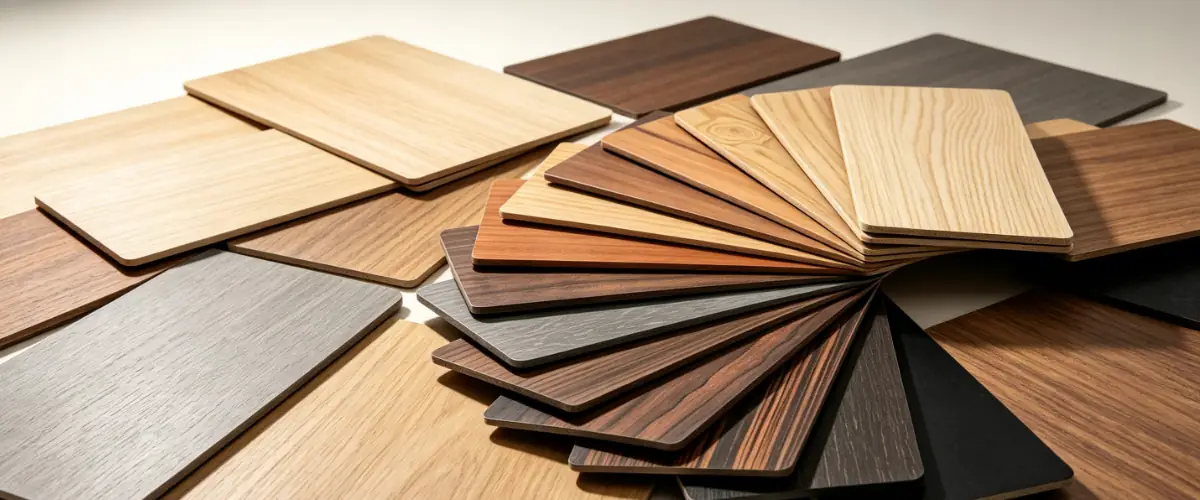
One of the biggest advantages of melamine MDF is its wide range of decorative options.
Manufacturers can produce panels with:
- Natural wood grain finishes
- Matte surfaces
- Glossy finishes
- Solid colors
- Textured patterns
This allows designers to achieve modern interior styles without using expensive natural wood materials.
For furniture manufacturers, melamine MDF provides consistent colors and textures, helping maintain product quality across large production volumes.
2. Cost‑Effective Alternative to Solid Wood
Compared with solid wood, melamine MDF is much more affordable while still providing an attractive appearance.
The production process allows manufacturers to create furniture panels with a premium look at a lower cost.
This makes melamine MDF a popular choice for:
- Mass furniture production
- Commercial projects
- Residential interiors
- Budget‑conscious buyers
For businesses importing furniture materials, melamine MDF offers a good balance between price and performance.
3. Easy to Clean and Maintain
The melamine surface creates a smooth protective layer that is resistant to daily stains and dirt.
Maintenance is simple:
- Wipe with a damp cloth
- No regular polishing required
- Resistant to common household stains
This makes melamine MDF especially suitable for kitchens, offices, and high‑use furniture.
4. Good Scratch and Wear Resistance
The melamine coating improves the surface durability of MDF.
Compared with untreated MDF, melamine MDF provides better resistance against:
- Minor scratches
- Daily wear
- Surface marks
This helps furniture maintain a cleaner appearance over a longer period.
5. Smooth Surface for Furniture Manufacturing
MDF has a uniform fiber structure without natural wood knots or grain defects.
This provides:
- Excellent machining performance
- Smooth edges
- Easy cutting and drilling
- Better finishing results
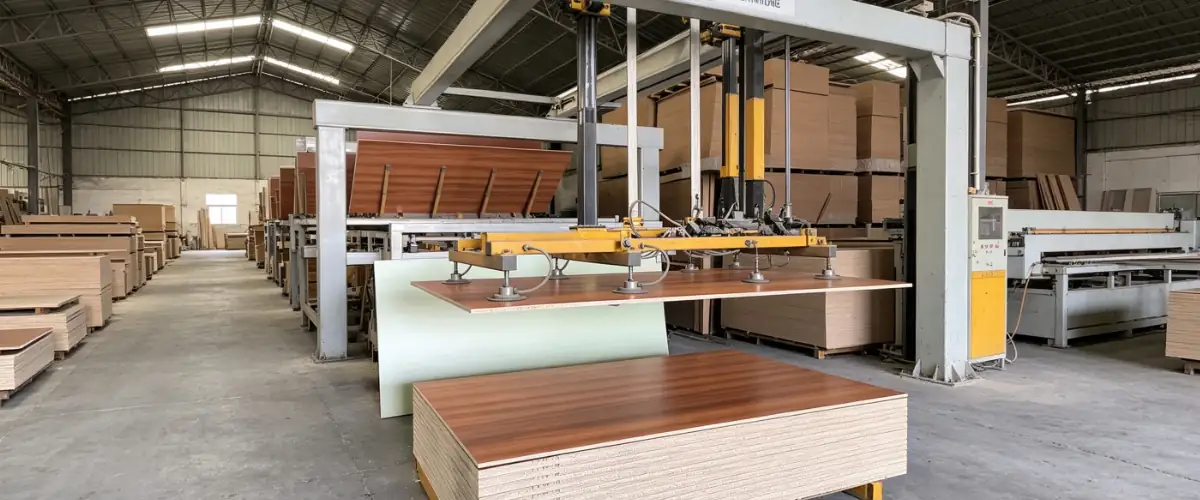
For cabinet and furniture factories, melamine MDF is easy to process using CNC machines and automated production lines.
Cons of Melamine MDF
1. Lower Moisture Resistance Than Plywood
One of the main disadvantages of melamine MDF is its limited moisture resistance.
Although the melamine surface provides some protection, the MDF core can absorb moisture if exposed to water for a long time.
Potential problems include:
- Swelling
- Edge expansion
- Loss of strength
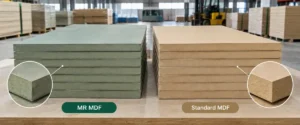
Therefore, melamine MDF is not recommended for areas with constant water exposure unless moisture‑resistant MDF is used.
For bathrooms, outdoor environments, or humid locations, plywood or specially treated panels may be a better option.
2. Difficult to Repair After Surface Damage
If the melamine surface becomes seriously scratched or chipped, repairing it can be difficult.
Unlike solid wood, which can often be sanded and refinished, damaged melamine MDF usually requires:
- Edge repair
- Surface replacement
- Panel replacement
This is an important consideration for high‑impact environments.
3. Lower Screw‑Holding Strength Compared With Plywood
MDF generally has lower screw‑holding strength than plywood because its fibers are compressed rather than arranged in layers.
For applications requiring frequent assembly and disassembly, plywood may provide better performance.
However, proper hardware selection and manufacturing techniques can improve melamine MDF furniture durability.
4. Heavier Than Some Alternative Materials
MDF has a higher density than many plywood products, which makes melamine MDF relatively heavy.
This may increase:
- Transportation costs
- Installation difficulty
- Handling requirements
For large furniture projects, weight should be considered during material selection.
Melamine MDF vs Other Materials
| Material | Appearance | Cost | Moisture Resistance | Best Uses |
|---|---|---|---|---|
| Melamine MDF | Excellent | Low‑Medium | Medium | Furniture, cabinets |
| Plywood | Natural | Medium‑High | Better | Construction, premium furniture |
| Solid Wood | Premium | High | Depends on species | Luxury furniture |
| Particle Board | Basic | Low | Lower | Budget furniture |
Melamine MDF is often selected because it provides a decorative surface and reliable performance at a competitive price.
Is Melamine MDF a Good Choice for Cabinets?
Yes, melamine MDF is widely used for cabinet manufacturing because it offers:
- Consistent appearance
- Affordable pricing
- Easy maintenance
- Smooth machining performance
For kitchen cabinets, many manufacturers choose moisture‑resistant melamine MDF to improve durability in humid environments.
However, if the cabinets will experience heavy loads, frequent movement, or high moisture exposure, plywood may be a better choice.
How to Choose Quality Melamine MDF?
When purchasing melamine MDF, buyers should consider:
1. MDF Density
Higher‑density MDF usually provides:
- Better strength
- Better machining performance
- Improved durability
2. Formaldehyde Emission Standards
For indoor furniture applications, check emission certifications such as:
- CARB Phase 2
- E0
- E1
Low‑emission MDF helps create healthier indoor environments.
3. Surface Quality
High‑quality melamine MDF should have:
- Uniform color
- Smooth surface
- Strong coating adhesion
- No bubbles or defects
4. Reliable Manufacturer
Working with an experienced melamine MDF supplier ensures:
- Stable quality
- Consistent production
- Custom sizes and finishes
- Export support
Final Thoughts: Is Melamine MDF Right for You?
Understanding the pros and cons of melamine MDF helps buyers make better material decisions.
Melamine MDF offers many advantages, including attractive designs, affordability, easy maintenance, and excellent machining performance. However, it has limitations in moisture resistance, repairability, and screw‑holding strength.
For furniture manufacturing, cabinets, and interior decoration, melamine MDF remains one of the most practical and cost‑effective panel materials available.
Looking for high-quality melamine MDF? Contact us today for customized sizes, finishes, competitive pricing, and reliable export solutions tailored to your project needs.